What the roguelike structure changes
A traditional city builder encourages one settlement to keep expanding. A roguelike city builder makes finishing, failing or leaving a settlement part of the larger loop. New maps and changing choices matter because the next town is not simply an extension of the last one.
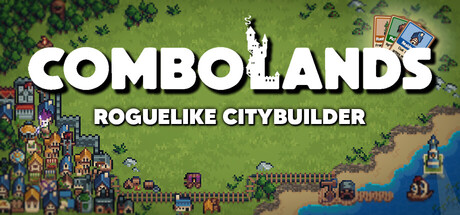
Combolands: a city run as a compact combo puzzle
Crux Games describes each run as a new procedural map where you choose two guilds, place buildings and grow a hamlet into a city. The official scope includes 21 possible guild combinations, more than 120 buildings and ten ranks, but the advertised session target stays close to 30 minutes.
The building list shows the effects currently documented by this site, while the guild guide separates advertised combinations from pairing effects that have not yet been published.
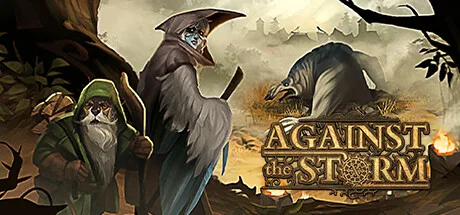
Against the Storm: expeditions inside a larger campaign
Against the Storm describes a network of settlements rather than one permanent city. If an expedition ends, resources, upgrades and experience can carry forward. The wider loop also includes multiple species with different needs, production choices and recurring storms, so the management burden is intentionally broader.
Is Combolands a game like Against the Storm?
Yes, if the feature you want is a settlement that resets while long-term progression continues. No, if the feature you want is Against the Storm's species management, survival economy and large campaign map. Combolands is the compressed alternative: a smaller board, a shorter target session and a stronger emphasis on building-to-building combo chains.
Which one should you choose?
- Pick Combolands when you want to finish a full city run in a short sitting and spend most of that time solving spatial synergies.
- Pick Against the Storm when you want deeper production chains, population needs, failure pressure and a long metaprogression campaign.
- Compare Stacklands too when the card-like tabletop interaction matters more than the roguelike settlement structure.