



How to choose a city builder without trusting a generic ranking
Start with three questions: do you want one permanent city or repeatable runs, do you want detailed simulation or a compact puzzle, and do you need multiplayer? Those choices change the answer more than an aggregate score. A player looking for traffic simulation will not get the same value from a card table, and a player with thirty minutes may not want a metropolis that takes an evening to stabilize.
Choose Cities: Skylines for the classic simulation job
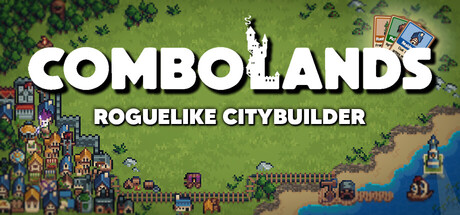
The official Cities: Skylines description centers on creating and maintaining a real city, balancing services and economy, simulating traffic, defining districts and applying policies. That makes it the straightforward choice when “city builder” means mayoral systems and an open-ended map. Combolands is not a lighter version of that simulation: its buildings are cards inside a run, and the map exists to create combinations rather than model a modern city.
Choose Manor Lords when the town must support a territory
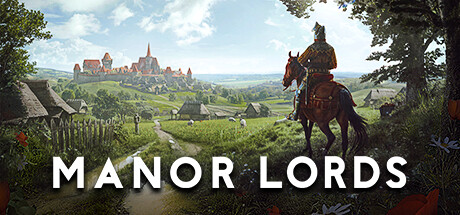
Manor Lords joins detailed medieval city building with economic and social simulation plus large-scale tactical battles. The settlement is part of ruling land, surviving seasons and handling conflict. Pick it when urban growth should feed a wider medieval strategy game, not when you want an isolated tile puzzle or a short resettable run.
Choose Against the Storm for repeated settlements
Against the Storm is the strongest fit when you like management systems but do not want to nurture one city forever. Its settlements face changing species, resources and conditions, while upgrades persist across the larger campaign. The roguelike city builder comparison explains how that larger settlement loop differs from Combolands' compact islands.
Choose Dorfromantik for a quiet spatial puzzle
Dorfromantik strips away most mayoral administration. You place hexagonal tiles to create an expanding village landscape, match surroundings and complete quests. It is a better match for calm pattern building than for production chains, citizen needs or multiplayer competition.
Choose a card city builder when the input matters most
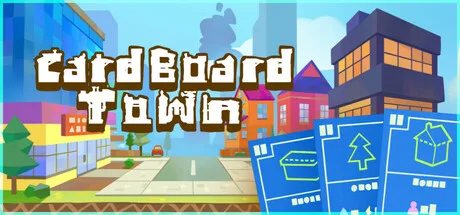
Stacklands, Cardboard Town and Combolands all use cards, but they ask for different actions. Stacklands treats cards as physical objects to stack. Cardboard Town draws a hand and spends resources. Combolands places building cards into a spatial engine. Open the card-based city builder guide before assuming the word “card” means the same control scheme.
Choose Kingdoms Reborn when friends are part of the plan
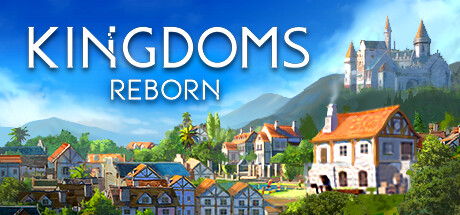
Kingdoms Reborn describes real-time cooperation and competition, including building a shared kingdom. That is a fundamentally different purchase decision from Combolands, whose Steam feature set is single-player. The multiplayer city builder guide separates shared kingdoms, public servers and competitive economies.