
Why “card city builder” is not one single genre
The search phrase joins two ideas, but developers use cards in very different ways. A card may be a physical object on a tabletop, a choice drawn into a hand, or a building token placed into a spatial puzzle. Looking at the input method first is more useful than treating every card-based city builder as interchangeable.
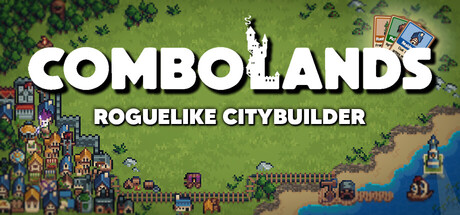
Combolands: cards become a spatial engine
Combolands calls itself a blend of deckbuilder and city builder. The official page emphasizes building placement, powerful synergies, cascading combos, procedural islands and a two-guild choice for each run. That makes location and interaction the main decision, not simply drawing the strongest card.
If that is the loop you want, continue with the Combolands building list and the documented building interactions.
Stacklands: the cards are the village
Stacklands describes a village built by stacking cards. Its own example places a Villager on a Berry Bush to produce food. The cards are objects, workers and resources at the same time, so much of the appeal comes from discovering productive stacks while keeping the village alive.
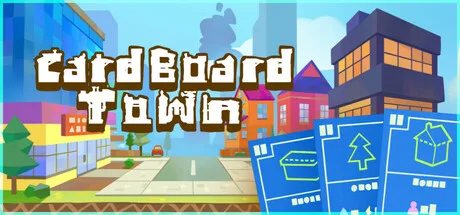
Cardboard Town: draw, spend and respond
Cardboard Town presents the closest match to a conventional hand-management card game. Its official description focuses on drawing cards, managing resources, buying upgrades and responding to random events and quest cards. Choose it when you want the city to emerge from a deck and resource economy rather than a literal stack or an island grid.
Which one should you choose?
- Pick Combolands if the satisfying part is arranging a compact map until one placement triggers several effects.
- Pick Stacklands if you want to drag physical cards together, discover recipes and keep a small village fed.
- Pick Cardboard Town if you want card draws, resource spending, upgrades and event-driven variation.