What makes Combolands feel familiar
Both games turn a small set of visible objects into a growing engine. A new object can unlock a resource loop, and the value of one piece depends on what sits around or beneath it. That is the useful similarity behind the search—not that every mechanic is the same.
The important difference: stack versus place
Stacklands is explicit about stacking cards to make villagers collect food or build structures. Combolands instead asks you to place buildings on a procedural island, choose two guilds and seek synergies that can cascade across the town. If the physical act of piling cards is essential, Stacklands remains the closer fit. If the satisfying part is discovering an engine, Combolands carries more of that appeal.
What Combolands adds
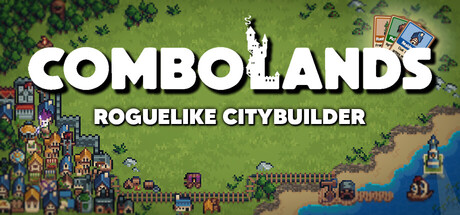
The official Combolands page describes 21 guild combinations, procedural islands, more than 120 buildings, passive heirlooms, councillors and ten ranks. Runs are designed as roughly 30-minute bursts. Those systems push it toward a compact roguelike city builder rather than a tabletop survival game.
Use the Combolands beginner guide to see how a run progresses, then open guilds and named pairings for the two-guild layer.
What does not carry over from Stacklands
Do not expect Stacklands recipes, villager feeding or creature combat to transfer directly. The public Combolands description centers on placement, town growth, guild choices and combo effects. Treat it as a neighboring design, not a replacement save file with different art.
One more option if you want a drawn hand
Cardboard Town is worth comparing when your priority is drawing cards, managing resources and handling random events. The card-based city builder guide separates those three interaction styles.